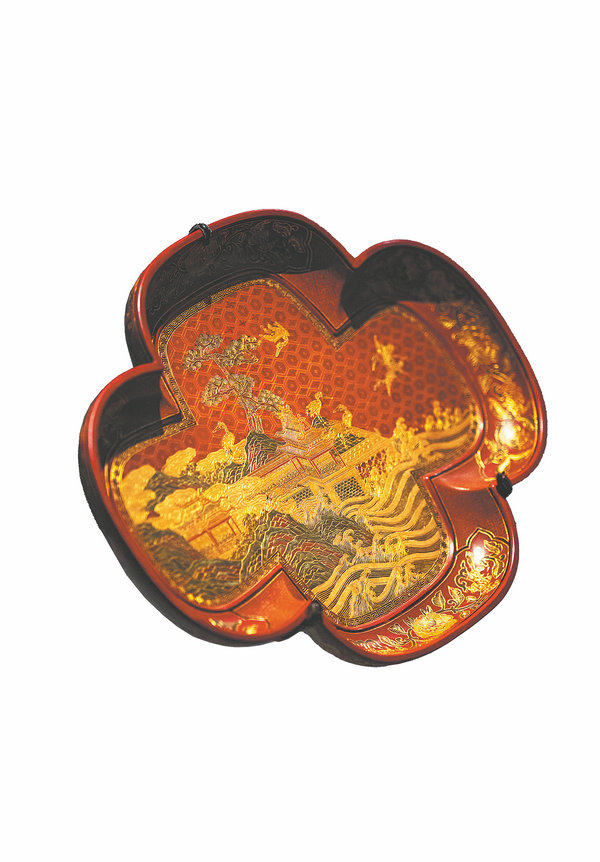
Lacquerware Techniques
Introduction
Lacquerware techniques represent a sophisticated and ancient craft that has been practiced and refined over millennia. Originating in East Asia, the art of lacquering involves the use of natural lacquer, derived from the sap of lacquer trees, to embellish and protect surfaces, primarily wooden objects. This process results in a durable, water-resistant, and aesthetically appealing finish, making lacquerware highly valued for both its functional and artistic qualities. The tradition of lacquerware dates back approximately 8,000 years in China, with archaeological evidence indicating its early use during the Neolithic period. Over time, these techniques spread to neighboring regions, including Korea and Japan, where they evolved into distinct and highly specialized forms.
In Japan, lacquerware techniques such as kanshitsu (dry lacquer), raden (mother-of-pearl inlay), chinkin (gold inlay), and maki-e (gold powder decoration) have become integral to the country's artistic heritage. These methods are not only used for creating functional items like containers and kitchenware but also for producing intricate and symbolic artworks. Japanese lacquerware often reflects themes of nature, mythology, and cultural narratives, showcasing the artisans' reverence for their surroundings and traditions.
Chinese lacquerware, on the other hand, boasts the world's longest history of production and the most diverse craftsmanship. Techniques such as kuancai, or engraved polychrome, emerged during the late Ming and Qing dynasties (1368-1911), gaining popularity both domestically and internationally. Kuancai, known in the West as "Coromandel," became a symbol of luxury and was highly sought after by European elites during the chinoiserie trend of the 17th and 18th centuries.
The conservation and restoration of lacquerware have also become significant aspects of preserving this cultural heritage. Institutions like the Hubei Provincial Museum in China have been at the forefront of developing innovative methods to restore and stabilize excavated lacquer objects, ensuring their longevity and historical integrity. Through exhibitions and academic symposiums, these efforts highlight the importance of lacquerware as a medium for cultural exchange and artistic expression.
Techniques and Artistic Expression
Historical Origins and Development
The origin of lacquerware techniques is a subject of scholarly debate. While the earliest known lacquer work was discovered in China, some historians argue that the techniques were introduced to Japan during the Tang Dynasty (618-907), while others suggest an independent development during Japan's Jomon Period (14,000–300 BC). Regardless of its precise origins, lacquerware has become a significant cultural artifact in both countries, showcasing their artistic and technical ingenuity.
In China, lacquerware has been a part of daily life and artistic expression for thousands of years. Archaeological findings reveal its use as early as 8,000 years ago, and its tradition has continued uninterrupted to the present day. The crafting techniques have evolved over different eras, giving rise to a rich diversity of methods and styles. For example, the Song Dynasty (960-1279) favored simple and understated lacquerware designs, while the Yuan (1271-1368) and Ming (1368-1644) dynasties saw the flourishing of carved lacquerware techniques.
Japanese lacquerware, influenced by Chinese methods, developed its own unique styles and techniques. Maki-e, a refined decorative technique using gold powder, became particularly renowned. Other methods, such as raden (mother-of-pearl inlay) and chinkin (gold inlay), further enriched the artistic possibilities of Japanese lacquerware. These techniques have been used not only for practical items but also for creating intricate artworks that reflect the country's cultural heritage.
Materials and Processes
The foundation of lacquerware lies in the use of natural lacquer, a resin extracted from the lacquer tree. This substance is applied to surfaces in multiple layers, each of which is allowed to dry and harden. The result is a water-proof, anti-corrosive finish that enhances the durability and aesthetic appeal of the object. The process of lacquering is labor-intensive and requires meticulous attention to detail, as each layer must be carefully applied and polished to achieve the desired effect.
Different techniques involve additional materials and processes. For instance, raden incorporates mother-of-pearl inlays to create shimmering designs, while chinkin uses gold inlay to produce intricate patterns. Maki-e involves sprinkling gold or silver powder onto wet lacquer to create delicate and elaborate decorations. Kuancai, or engraved polychrome, entails carving designs into the lacquer surface and filling them with colored pigments, resulting in vibrant and luxurious artworks.
Artistic Themes and Symbolism
Lacquerware often serves as a medium for artistic expression, reflecting cultural themes and symbolism. In Japan, artists frequently depict images of plants, flowers, and animals, showcasing their reverence for nature. For example, Norihiko Ogura, a specialist in raden and maki-e, incorporates recurrent images of plants and flowers into his work, symbolizing his respect for the natural world. Similarly, Kiyoshi Torige uses the chinkin technique to create vivid depictions of animals, often accompanied by background stories that add depth to his creations.
In China, lacquerware designs often feature intricate patterns and motifs that reflect the cultural and artistic aesthetics of different dynasties. The carved lacquer box adorned with gardenia patterns from the Yuan Dynasty, bearing the signature of renowned craftsman Zhang Cheng, represents the pinnacle of carved lacquer craftsmanship during that era. Kuancai designs, with their elaborate and luxurious aesthetic, were favored by both Chinese elites and European royals, contributing to the chinoiserie trend in Europe during the 17th and 18th centuries.
Conservation and Restoration
The conservation and restoration of lacquerware are critical for preserving this ancient craft. Unearthed lacquer objects are often waterlogged and fragile, requiring specialized techniques to stabilize and restore them. The Hubei Provincial Museum in China has been a leader in this field, developing innovative methods such as the use of glyoxal to dehydrate and reinforce waterlogged wooden lacquerware. This process involves carefully displacing water and forming a robust internal scaffold to prevent the delicate wood from shrinking or warping as it dries.
Restoration also involves recreating missing decorative patterns based on motifs of similar shapes from the same era. This requires a high level of skill to ensure that the brushstrokes and lines are harmonious with the original surviving decorations. Additionally, the color of restored lacquerware must be carefully matched to the original artifact, often requiring the use of aged pigments and techniques to reduce sheen.
Cultural Exchange and Modern Adaptations
Lacquerware techniques have played a significant role in cultural exchange between East Asia and the rest of the world. The spread of Chinese lacquerware techniques to the Korean Peninsula and Japan during ancient times led to the development of unique styles and methods in these regions. In modern times, exhibitions and academic symposiums have further facilitated cultural exchange, showcasing the artistry and craftsmanship of lacquerware to global audiences.
Contemporary artists continue to adapt traditional lacquerware techniques to create modern artworks. For example, Norihiko Ogura has been innovating by using maki-e to produce oil paintings, blending traditional methods with contemporary artistic practices. Similarly, Kiyoshi Torige incorporates background stories into his lacquerware designs, adding a narrative dimension to his creations.
The use of natural lacquer as an environmentally friendly material also highlights its relevance in modern times. Although the production process may cause allergies, the finished lacquerware is durable, lightweight, and aesthetically appealing, making it suitable for daily use and artistic expression.
Through exhibitions, demonstrations, and academic research, lacquerware techniques continue to inspire and captivate audiences worldwide, preserving the legacy of this ancient craft while adapting it to contemporary contexts.








